More Bestselling Medieval Work for Your Scholarly Appetite

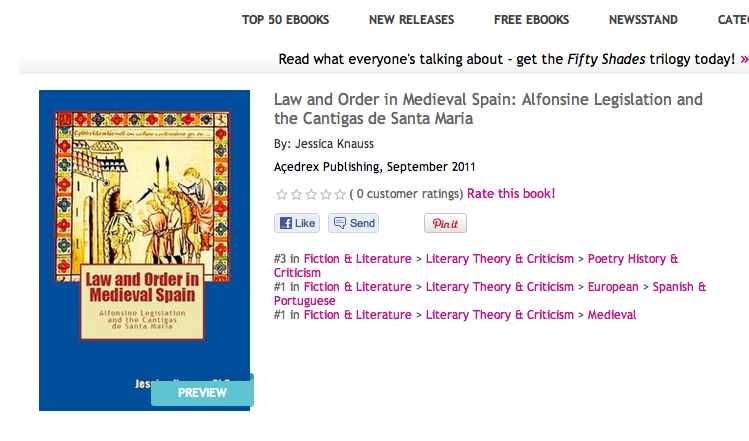
We recently noticed that Law and Order in Medieval Spain is a huge bestseller on Kobo, reaching as high as number 1 in two categories and number 3 in a third. This came as a surprise, a very agreeable surprise!  Our new volume is conceived as a companion piece to Law and Order, and, in the same vein, is illustrated with cantigas and supporting artwork. It’s a survey, meant to stimulate interest in the fascinating social scene of thirteenth-century Spain.

In order to describe the miracles of the Virgin Mary, Alfonso X el Sabio’s Cantigas de Santa Maria show life at its worst, and this often includes violence, which may disconcert a modern audience even more than its original medieval one. This essay examines the lyrics and the miniatures of these songs in order to show how they illustrate the balance of power in thirteenth-century Spain. The role of Mary herself illustrates the role of gender and the divine in giving social meaning to acts of physical violence. Illustrated with twelve color plates.

Available now: Kindle | Kindle UK | Kindle España | Nook | Kobo

Update 10/10/12: Deu-lles o que merecian is a Kobo bestseller! Top 7 in all three categories, number 2 in one and number one in the other! Thanks for your support of this title dear to my heart.


Strong Women and a Strong Voice for The Laughing Princess

The Laughing Princess is Seymour Hamilton’s enchanting foray into something like fairy tales. Petra and Daniel, a brother and a sister, meet a dragon who tells them a series of bewilderingly surprising stories from the lore of the more-magical-than-it-seems village where they’re vacationing. After much suspense, the audiobook is now available for free download! Go to Podiobooks.com and listen online, or right-click on the files at the bottom of the page to take your own mp3 with you, wherever you like, free of charge. Enjoy!

I took this opportunity to ask Seymour some questions about his unique little book.

I know The Laughing Princess was inspired by some wonderful dragon sculptures, the first of which you met at Exceptional Pass. Did you base the stories on existing dragon folklore, or is the dragon-filled village by the sea of The Laughing Princess your own creation?

It’s all me, but it’s also all that I’ve read. The stories were amazingly easy to write. I had to edit and polish them, but not much, which tells me that I had to be mining a rich vein of magic that has been refined over millennia of story-telling.

People who like fairy stories will recognize time-honoured magical ideas such as the power of the number seven — the stone Daniel skips seven times and the woman with seven sons. The over-the-top revenge-justice that some of the dragons mete out is a staple of fairy tales, though hardly what I would endorse as good jurisprudence. The intertwining of the stories made them satisfying to write, and unlike the chaotic world in which we live. Exceptional Pass was the magic casement through which I looked into a fairy land forlorn, thanks to a few hours with people whose imaginations were unfettered by the literal world in which we live most of our lives, the most important of whom was Pamela Nagley Stevenson, creator of ceramic dragons with marvelous names. Significantly, I was living near mountains which are so unreal that a flight of dragons at sunset would not be a surprise. I’m sure it also helped that I’ve met many dragons in Ursula LeGuin’s Earthsea, in Patricia Wrede’s Enchanted Forest, in Ann McCaffrey’s Pern, not to mention a gyre of splendid winged creatures in the history, myths, legends, lore and heraldry of England, Scotland and (especially) Wessex and Wales, which have their own special kind of dragon, the two-footed Wyvern.

Are the stories interrelated beyond their setting? What was your process for putting them in order?

The stories happened pretty much in that order. I wrote “Elemental Exchange” first, then The Littlest Dragon took over the duty of storyteller and after that, one thing led to another. As the stories unfolded, it became clear that three of the seven sons would be meeting very different dragons, that the Witch and Peder had been friends, that the Princess grew up to be a great and good Queen, that not all stories end happily, and that Dragons are still making their magic for those lucky enough to meet them.

I notice a lot of strong women characters in this book, and a few really nasty men. Is The Laughing Princess a purposeful monument to women’s empowerment? 

In the main, the characters seem to me to be independent people who take responsibility for their actions, whatever their gender — or species. The exceptions are the (male) Warrior, who is conscienceless, the Sea Rover who is an unspeakably cruel man, and Ryll, who is female but has characteristics even the most ardent feminist would despise.

The Princess, later Queen, is strong, female, admirable and shares the Dragon Ke-Au-Ka Ida’s decidedly feminine wisdom.  The dragon Kaiwheil Bhagmani-Ji is also female, but she is a shy and kindly healer of troubled artistic souls. However, the dragon Pu Ahi Oheo Wythe is both female and dreadfully drastic. I really don’t know the gender of the Boulder Roller Dragon, or for that matter the hard-hearted and soulless dragon Aina Lani Kahu Wellan, although Santosh Raal-Zurmath seems male to me, as is Ena Pingala Kythe, who makes a decidedly macho claim to be beyond the comprehension of even his fellow elementals. I’m not sure about the Littlest Dragon, but I have a hunch that he’s a she.

I think the stories are about love and power and what you do with them, whoever you are: woman, man of dragon.  They are told to Petra and Daniel by the Littlest Dragon who says that he (perhaps she) is going to educate them. When Daniel cautiously responds:

“All right,” said Daniel.  “But we won’t have to answer questions afterwards, will we?”

“Of course not,” said the Dragon. “Any worthwhile story is complete when it’s been told and heard.  All you should do is tell it again.”

So, enough analysis, already! Next you’ll be asking me what the moral of each story is, and we all know that the search for a moral destroys any magic a story might possess.

The Danes have the right idea. Instead of importing moral messages into the stories of Hans Christian Anderson, they brought The Little Mermaid out of his story into our world and sat her on a rock in Copenhagen harbour.

See more about and participate in The Laughing Princess at TheLaughingPrincess.com

The Abencerrraje, finally for epub readers

We’re terribly sorry to have kept you waiting! You’ll be relieved to know that The Abencerraje: A New Translation, which has had such phenomenal success as a Kindle book, is now available for your epub reading pleasure from both your friendly Barnes and Noble and the fine people at Kobo. Endorsed by three arbiters of good taste, this affordable ebook (or paperback) is sure to entertain and maybe edify, too.

To refresh your memory, we present the blurb:

A heartwarming tale of love and friendship in a time when no one could imagine anything but war.

This is a classic story of the exotic landscape of medieval Spain, written about 1551, in a new, easy to read English translation.

Abindarráez is so in love with beautiful Jarifa that when he is taken prisoner by Rodrigo de Narváez, he asks to be freed for only two days so that he can marry her. What happens next shows that love and friendship are stronger than war, even during the final stages of the the Reconquest of Spain.

The translation tries to transmit all the meaning and charm of the original while untangling its complex syntax. Don’t miss the opportunity to read this enchanting book in English!

This edition includes:
• A never-before-published translation of El Abencerraje
• Useful explanatory notes
• A short, original introductory essay

And remember, in the paperback you get both the original Spanish and the new English translation, complete with useful explanatory notes. Thank you for your patience!

Kindle | Kindle España | Nook | Kobo | paperback

Meditaciones sobre la lengua

¿Te has preguntado alguna vez cómo vino a ser el idioma castellano como es? Presentamos un documento divertido y muy curioso y contestará todas tus preguntas con cierto humor que no se encontrará en los libros de texto modernos.

Los amigos italianos del erudito Juan de Valdés no cesan de preguntarle cómo expresarse bien en la lengua castellana, que era el idioma más culto a mediados del siglo XVI. Un día se sienta con ellos y contesta todas sus preguntas, instruyéndoles en la historia de la lengua, su gramática y ortografía y los vocablos destacados según el uso corriente que dicta las normas. Critica los escritores contemporáneos y de los siglos anteriores que reconocerás. Sé parte de esta conversación histórica y atestigua cuáles reglas descritas por el buen doctor se pueden aplicar también hoy — y cuáles no. Este libro es también un tesoro para el estudiante de los refranes populares, que sirven de ejemplo una y otra vez.

Esta edición incluye:
• El texto completo modernizado
• Notas para el estudio no disponibles en otro lugar

Kindle | Kinde España | Nook | Kobo

La tragedia evitada da lugar a la comedia

El sí de las niñas es la obra más importante del dramaturgo Leandro Fernández de Moratín. Don Carlos está profundamente enamorado y su tío busca mujer que le acompañe en la vejez. ¡Lo que no saben es que tienen intenciones hacia la misma mujer! Una comedia suave que critica blandamente las costumbres de su época y por lo tanto fue prohibida por la Inquisición. ¡Pero al final todo se resuelve felizmente! Será tu obra de teatro preferida.

Esta edición incluye
• Un comentario con notas para el estudio de la obra que no encontrarás en otra parte
• El texto completo corregido con esmero en tres actos con escenas separadas
• Un comentario del autor acerca de la recepción de la obra

Disponible en Kindle US | Kindle España | Nook | Kobo

La obra más importante de la matriarca del folklore

La carrera literaria de Cecilia Böhl de Faber (conocida como autor masculino con el nombre de Fernán Caballero) es controvertida. ¿Es más importante su contribución a la estética realista española o la traición que hizo de su sexo cuando empleó un nombre masculino al editarse?

Sí sabemos que La gaviota es la novela más completa e interesante (y leída) de la matriarca del folklore español.

Marisalada tiene una voz sublime. Es egoísta, fría e irrespetuosa y solo le interesa su propio beneficio. Cuando llega el cirujano alemán Stein a su pueblo, se enamora perdidamente de ella. Con su ayuda, Marisalada alcanza éxito en los escenarios nacionales, ¿pero, su matrimonio puede sobrevivir la notoriedad?

Esta edición incluye:

• El texto original
• Una valoración de Eugenio de Ochoa
• Un ensayo original comparando la obra de Caballero con la de Galdós

Disponible para Kindle US | Kindle España | Nook | Kobo

El/The Abencerraje: Ahora en tapa blanda — Now in Paperback

Nuestra traducción al inglés de “El Abencerraje” ha triunfado en formato digital, tanto que ahora ofrecemos una edición bilingüe en tapa blanda. Tiene todo el contenido de las ediciones digitales en español e inglés. Ahora los que no tengan dispositivos para leer libros electrónicos o que simplemente quieren tener su literatura entre sus manos, pueden comprarlo aquí o bien pedirlo en su tienda o biblioteca favorita. ¡Que disfruten!

Our recent translation of “The Abencerraje” has done so well in digital formats that now we’ve decided to offer a bilingual edition in paperback. Anyone who doesn’t have an e-reader, or who just wants to hold a piece of literature in his or her hands, can now get it here — or ask for it at your favorite library or bookstore. It has the same content as the English and Spanish digital editions combined. Enjoy!

It’s still available in Kindle in English and in Spanish in Nook and Kobo as well. Three reviews by readers of excellent taste, all four and five stars! Kudos from Kim Rednfeld, author of The Cross and the Dragon, include “Translator Jessica Knauss does a great job in making the story accessible to modern readers yet giving it a feel of another time and place. Many thanks to her for bringing it to a modern English-speaking audience.”

Don’t forget, Amazon Prime members, you can still borrow this book for FREE through August 22!

Sigue siendo disponible en Kindle en inglés y en Kindle, Nook y Kobo en el español original.

Kindle in English | Kindle en español | Kindle España | Nook | Kobo

See the trailer here. Ver el vídeo para la versión inglesa.

Sale! ¡Rebajas!

At Acedrex, we always strive to provide our readers with the highest quality reading at the lowest possible prices. Market research indicates that our prices may in fact not be optimal for competing in the marketplace.

The following titles will have extremely low prices through Friday, when they’ll go up by at least a dollar as part of the market research. Please plan accordingly. Thank you for your support.

Nuestros precios siempre han sido muy generosos al mismo tiempo que hemos proveído los mejores libros. Hemos llegado a cuestionar esta estrategia. Los siguientes libros tendrán precios bajísimos hasta el viernes, cuando subirán por el valor de un dólar, como parte de un experimento de marketing. Gracias por su apoyo.

Historia de la célebre reina doña Juana de España vulgarmente llamada “la Loca” Kindle US | Kindle España | Nook | Kobo

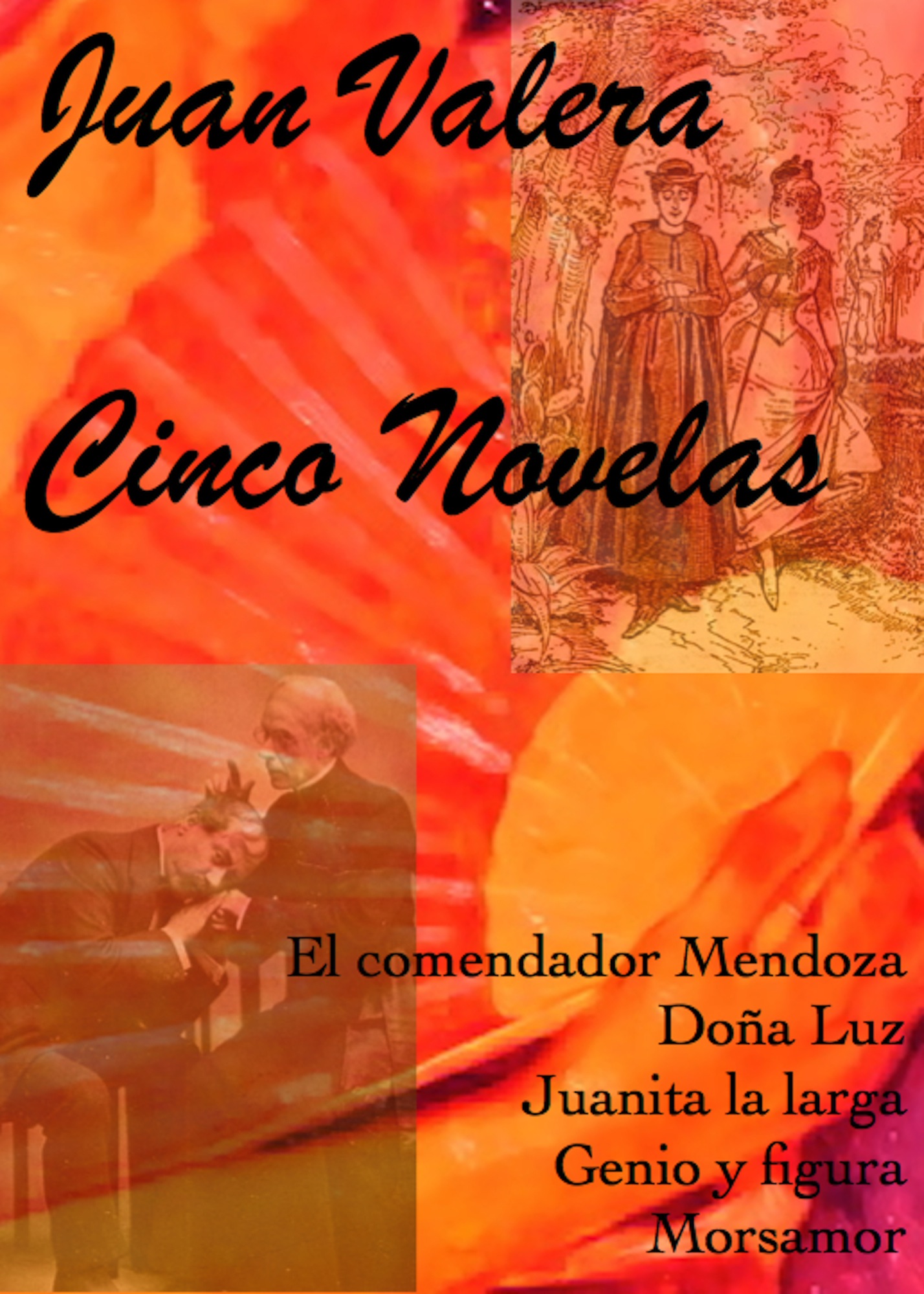
Cinco novelas de Juan Valera Kindle US | Kindle España | Nook | Kobo

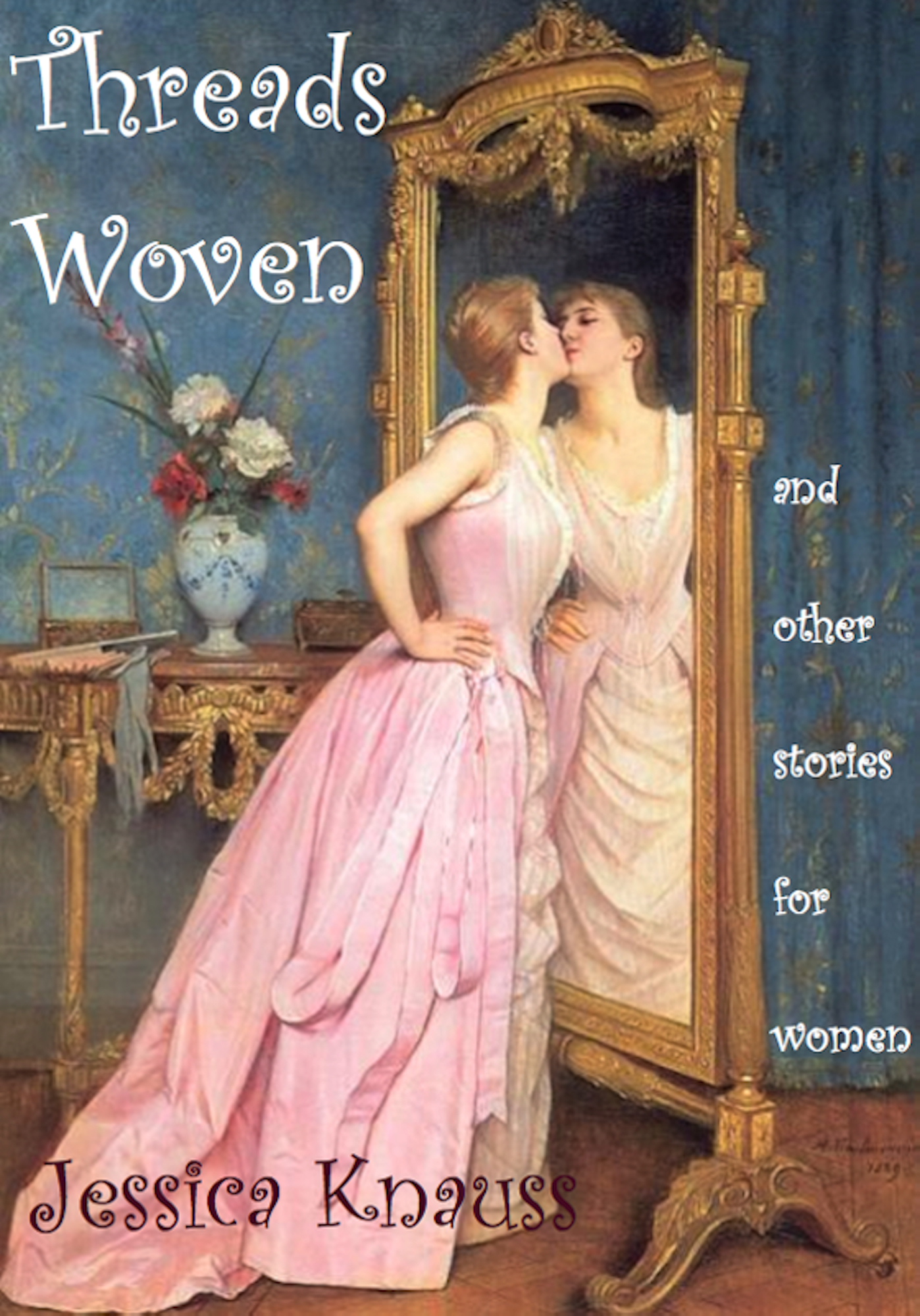
Threads Woven by Jessica Knauss Kindle  | Nook | Kobo

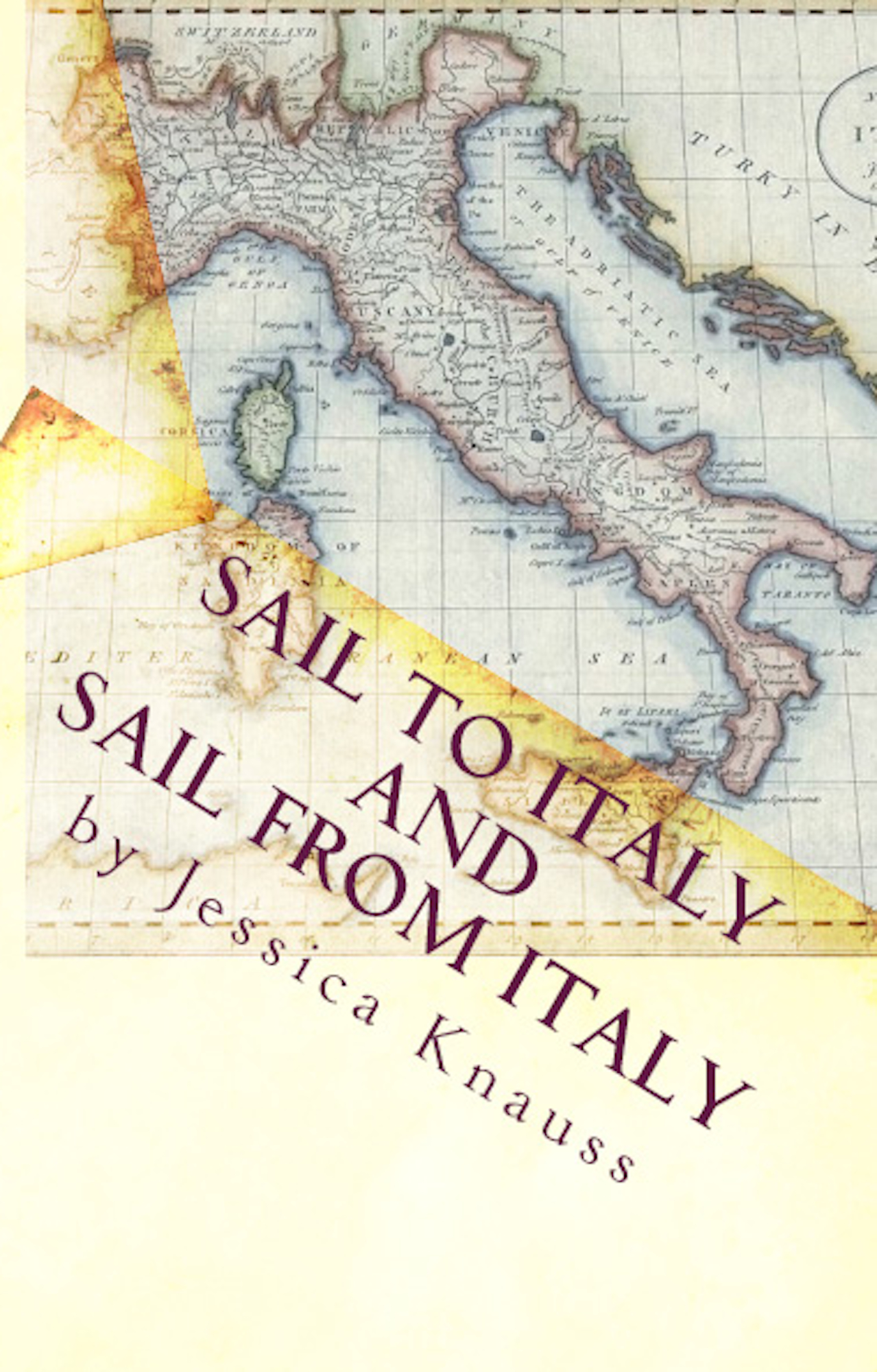
Sail to Italy and Sail From Italy by Jessica Knauss Kindle  | Nook | Kobo

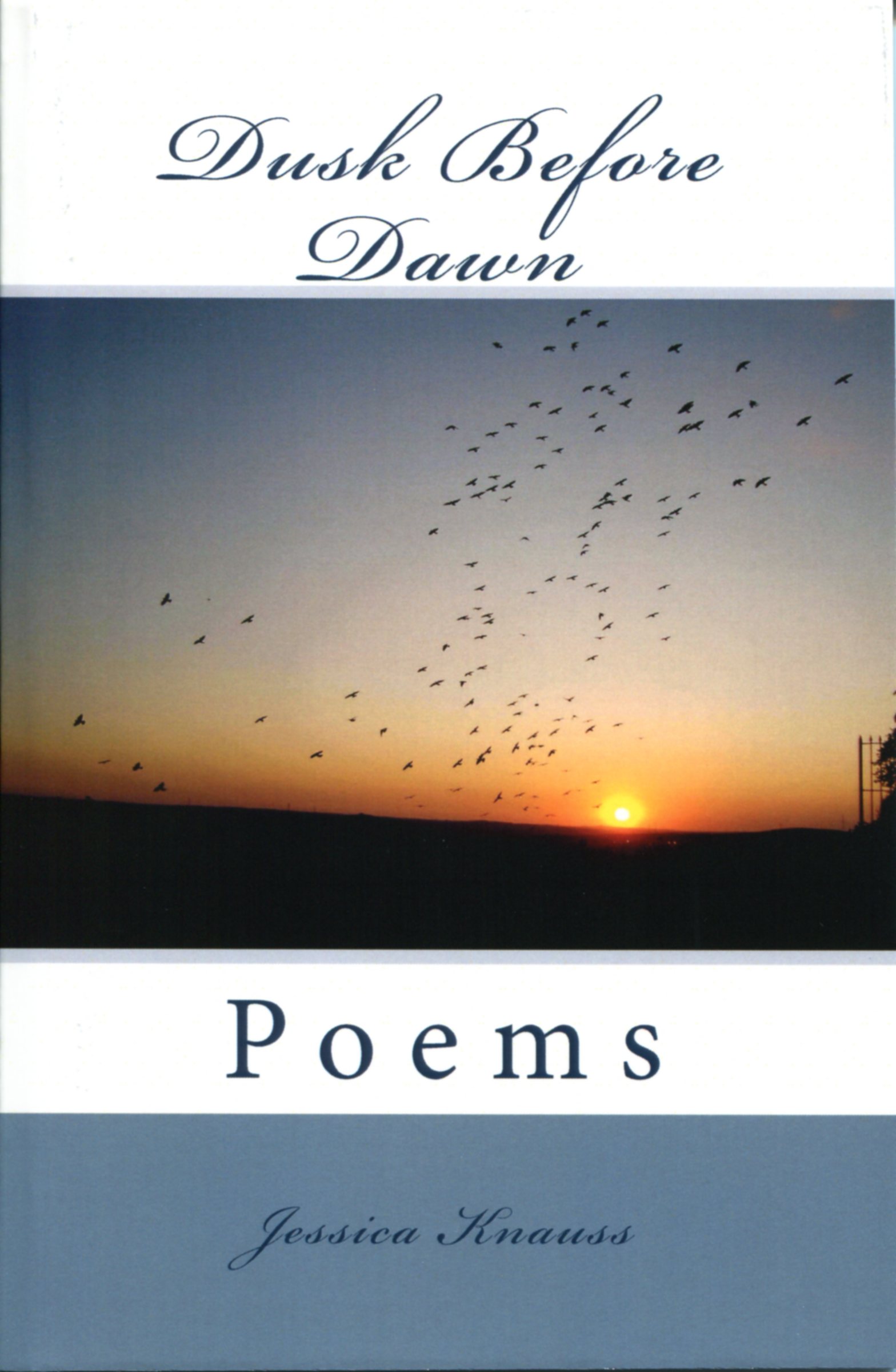
Dusk Before Dawn by Jessica Knauss Kindle | Nook | Kobo


The Poet and the Angular Dragon, Excerpt from The Laughing Princess

For your reading enjoyment, here is the ninth story from Seymour Hamilton’s The Laughing Princess. I’m a writer and this is the single most inspiring story I have ever read.

THE POET AND THE ANGULAR DRAGON

There was a poet who had wandered from city to country to town until he owned a fine stock of memories both happy and sad. He had shipped aboard a leaky boat with a curmudgeonly skipper and had blistered his hands on ropes and fishing lines for months, until he was heartily sick of the sea. At length, he had come to the Village at the foot of the mountains that brooded in purple shadows while the clouds tore to shreds on their peaks.

After the boat had made fast to the stone quay that formed one side of the Village square, the moon rose and the snow on the crags was lit with a ghostly light. Though he had been awake for two days while his vessel was storm-lashed and nigh to overwhelmed by raging water, nonetheless the poet could not sleep. He went ashore and walked among the houses of the Village, where yellow candlelight gilded the windowpanes and silhouetted those within. He heard the murmur of voices and felt a stab of heartsick loneliness for the home to which he could never return, and a longing was upon him to stare into eyes kind enough to see him for himself and accept what they saw.

He passed a tavern, and heard the discordant sounds of revelers far gone in their cups, and he wondered why he should be restless when his fellow mariners sought oblivion in drink, or lay exhausted in salt-wet hammocks aboard their evil-smelling boat. He turned his steps southwards and walked beyond the Castle to where the cliffs drew back from a stony beach silvered by the eerie light of the moon. Shingle scraped under his heels and he drew his jacket tight around him, wishing for he knew not what.

It was not that he had lacked comrades, lovers and good friends, but they were lost along the difficult leagues he had travelled, and now he could revisit them only in memory. There had been a time when he thought to make of his voyaging a never-ending river of poems that would touch the hearts of all who heard them, but now the source of his inspiration had dwindled to a trickle of disjointed words. Whenever he took up his pen or mused over rhymes and rhythms, he was driven to the conclusion that there was no one who would care to hear what he struggled to say.

“There really isn’t much point to it,” he said aloud to the night.

Like all poets, he talked to himself often, but on this occasion when he tried to continue, he could manage only an ironic laugh that threatened to turn into a sob.

He kicked the stones under his feet and stared seaward at the ghost-white crests of breakers as they crashed along the shore. He shivered as he walked along the line left by the receding tide where the waves had tossed up storm-wrack mingled with ruined pieces of men’s handiwork. A broken oar poked up from a tangle of twisted tree roots, and his feet crunched on the fragments of a broken bottle. Ahead of him was a wrecked boat, drifted deep into the shingle by the pounding waves. Its upturned hull was sliced into an enigmatic shape of dark, convoluted shadows. At one moment he saw a huge bird, then a coil of rope stuck with broken spars and masts, then the bony skeleton of a monstrous sea creature.

“It is a statue, created by some sculptor to tease the minds of all who see it,” he muttered to himself. And then, as he knew this could not be, he asked the night, “Is nothing real? Must I choose only among illusions?”

“Can you see the wind?” asked a voice softly. “Or hear the stars?”

The poet stopped and stared about him, for in all his musings he had never been questioned so appropriately.

“Yes I can,” he declared. “At least, there have been times when starlight tingled at the edge of hearing, and the wind was soft enough that I stared at where I held it in the hollow of my hand.”

The poet stepped towards the figure on the boat, that now he saw was a seated woman, her arms folded about her knees.

“You bind words to escape from the knowledge that it is your own mind that shapes your life,” she said.

He stepped towards her outstretched hand, then blinked and looked again. Lit by a light that was not of the moon, he saw eyes whose slit pupils watched him steadily, and he knew that he spoke to a Dragon. Such was his loneliness that he was not capable of fear. Instead, he was captivated, and saw beauty in the gentle curve of its mouth and the soft gleam of its eyes. He felt a bond between his humanity and the inhuman creature, and both his intelligence and his feelings were convinced of its gentle and kindly interest in him.

“All that opposes you is only as real as you imagine it,” said the Dragon.

The poet knew that the Dragon spoke of more than the moment, and he was moved to admit his deepest sorrow and the cause of his midnight quest.

“I would know that I was heard by someone who cares whether I live or die,” he said. “I wish affirmation that what I write may touch another’s mind.”

“Has there been no such moment for you in your life?” asked the Dragon, like a lover in whom there is no jealousy.

“Once,” said the poet. “But she is far away, and I do not know whether she even thinks of me.”

“Then you have touched another’s life, and you have no reason for despair.”

“I could be wrong,” he said.

“True,” replied the Dragon. “But that thought brings no hope, so set it aside.”

And the poet sighed as if he had put down a heavy burden. Clouds sailed across the moon, and in the darkness he fixed his gaze on the Dragon’s glowing eyes.

“Who can I thank for these good thoughts?” he asked.

A laugh like the chime of high, distant bells mingled with the sounds of the sea.

“I am she who is not as are my kinfolk, for I am further from eternal and closer to mortals than they. I speak only to poets, dancers, men and women whose lives are not complete without the tones, shapes and words that they themselves have wrought. I live by their thought as they by their arts, though I offer them only those songs, dances, forms and words that can be shared with the fewest of the few.”

“But what are you called?”

“The other Dragons speak of me as The Angular One,” said the Dragon, and there was sorrow in her voice. “For among my fellows I am no better understood than are you.”

“Then tell me your name, oh Dragon,” insisted the poet, “that I may reverence you in my poems. Because you are beautiful, and wisdom is in your words.”

Again there was musical laughter to join with the night sounds of wind and wave.

“You are a persistent one, Poet,” said the Dragon, and her voice was soft as a woman well pleased. “You know full well how to flatter.”

“I do not deny it,” said the poet. “But you can see my thoughts and know that I speak truth. My world is words, and I must have them in my head to know that I exist. Do not torture me with your silence, for I would repeat your name and know that both of us are real.”

“Then I will whisper, for none has heard it for so many of your generations that I have almost forgotten how it is pronounced.”

And the Dragon bent her head towards the man, and the poet heard the name Kaiwheil Bhagmani-ji, and was content. The harmony of shared compassion filled his soul, and he pressed his palms together in token of his thanks. He could find no words to thank her, so he closed his eyes to savor the syllables he had heard.

When he looked again, the beach was white with moonlight, and he faced an upturned boat. He tipped back his head and saw a shape sharp as knives and soft as a woman’s lips scudding down the night wind. And the poet smiled, because he knew he would hold the moment precious, and that he would continue to search the world for the stuff of which his poems were made.

* * *

The Dragon drew its sea green wings in a little closer around the two children, and they looked out under the massive arch of leathery scales towards the little bay, now shimmering in the late afternoon sunlight. The shadow of the cliffs was almost to where the Dragon’s tail lay in serpentine coils on the beach.

“I hope some day I’ll be able to meet Kaiwheil Bhagmani-ji,” said Daniel softly. “I’d like to tell stories and write poems.”

“I thought you wanted to be a warrior,” said the Dragon.

Daniel gave his head a little shake.

“Wizard, solemn son, thief,” counted Petra. “And Ryll. She wasn’t very nice. Do the men get all the luck?”

“I wouldn’t call Barrin lucky,” said Daniel. “And the Princess sounded to me as if she was going to have a good life.”

“Very well,” said the Dragon. “Since you have very cleverly avoided wishing for a story about a woman, Petra, I will tell you about two women.”

And the Dragon told the story of The Witch and the Tavern Wench.

The Laughing Princess is available in Kindle, Nook, Kobo and paperback and as a free podcast at SeymourHamilton.com. Una edición en español se hará disponible en otoño.
The Laughing Princess, New for Fairy Tale Lovers This Summer

Açedrex is proud to announce the publication of a new book unlike any we’ve done before. In fact, I’m not sure there are any books similar to it on the market at all.

For any of you who read the wonderful Astreya Trilogy and wondered whether Seymour Hamilton has anything else up his sleeve, your question is answered! The Laughing Princess is a collection of stories or fables, all concerning dragons and the powers they still wield in our jaded world. One dragon in particular tells all the stories to a pair of siblings on holiday in a seacoast town that is much more special than they realize:

Petra and Daniel have little use for the quaint fishing Village their parents have forced them to visit on holiday. They don’t know that this Village has a legacy of Dragons. Much more fun than exploring museums or picturesque ruins, a small stone on a lonely beach offers them the chance to perform magic, match wits with elementals, steal hearts, go to war, write poetry, escape from a pirate, and sail The Laughing Princess. Their dull, rainy world will never be the same.

The stories themselves range from meditative to epic, with melancholy musings on love and one’s purpose in life as well as violent battles and the searing char of a dragon’s breath. If you’d like to read something new that nonetheless feels like a half-remembered fireside chat, this is the book for you.

The cover features the dragon sculpture that inspired the first story Hamilton wrote, about a tremendous mountain which is really a dragon and the mere mortal who disturbs his slumber.

New for Açedrex, this book will also be available as an audio download. You can read more about and by Seymour Hamilton by going to SeymourHamilton.com. There, you’ll find links to downloads of free podcasts of The Laughing Princess read by the author.

The ebook editions are available for only 99 cents now, but get it quickly! The price will increase this Friday night!

Kindle | Kindle UK | Nook | Kobo

Kindle in Europe: DE | FR | ES | IT

The paperback is available at Amazon and anywhere else fine books are sold. Request it from your library or local bookstore!

Una edición en español se hará disponible este otoño.